
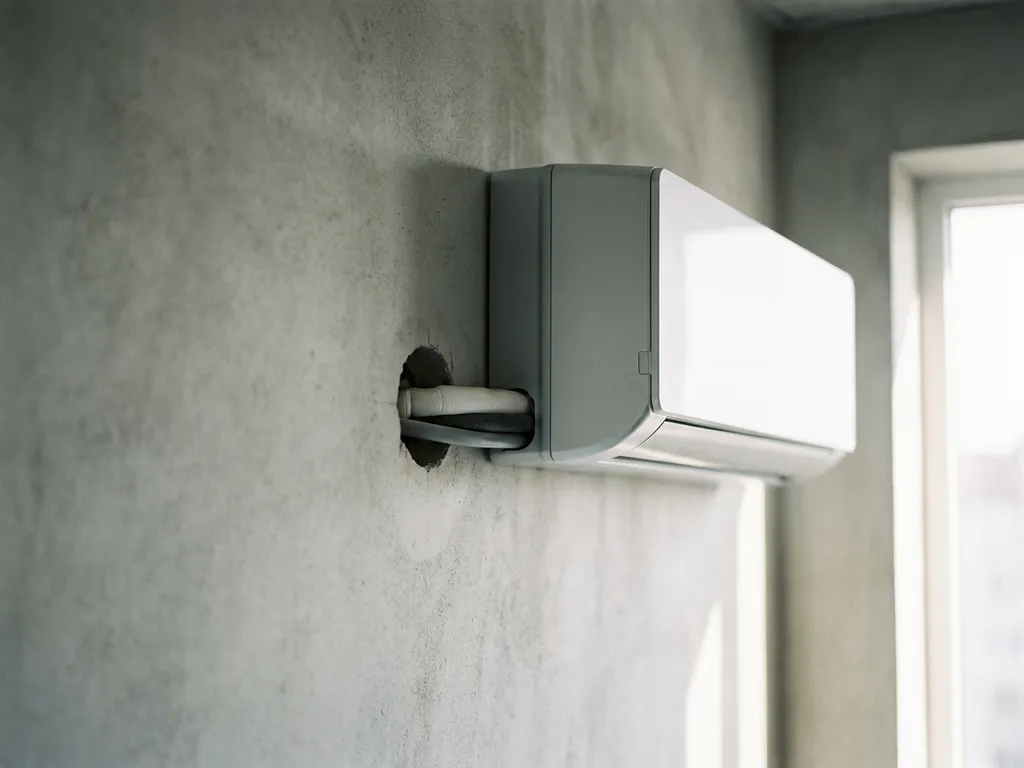
A more expensive air conditioner does not automatically cool better than a cheaper one. Cooling capacity is determined by technical specifications such as the BTU number or the number of kilowatts, and these are perfectly adequate even for budget models. What you do get at a higher price, however, is generally higher energy efficiency, less noise, and smarter features. In this article, we answer the most frequently asked questions about price versus cooling performance so that you can make an informed choice.
What actually determines the cooling capacity of an air conditioner?
The cooling capacity of an air conditioner is determined by the amount of heat the unit can remove from a room per hour. This is expressed in kilowatts (kW) or BTU per hour. A higher number means that the air conditioner can effectively cool larger or warmer rooms. The price of the unit says nothing about this.
The most important factors influencing cooling capacity are:
- The BTU or kW number: the direct measure of cooling capacity
- The type of compressor: An inverter compressor continuously adjusts its power, which operates more efficiently than an on/off system.
- The quality of the refrigerant: Modern refrigerants such as R-32 are more environmentally friendly and perform well.
- The installation: A poorly installed air conditioner, with excessive pipe length or incorrect installation, always performs below its capacity.
In short: the cooling capacity is listed on the specifications sheet, not on the price tag. A cheap model with 3,5 kW cools the same amount of air as an expensive model with 3,5 kW. The difference lies in how efficiently and quietly this happens.
Why do more expensive air conditioners cost more money?
More expensive air conditioners cost more because they score better on energy efficiency, noise level, durability, and smart features. They don't cool harder, but they cool smarter and quieter. Brands like Daikin, Mitsubishi Electric, and Panasonic invest in high-quality compressor technology, better filters, and longer warranty periods.
Specific features that drive up the price:
- High SEER value: An A+++ energy label means significantly lower annual electricity costs.
- Advanced inverter technology: The compressor runs at variable speed and therefore consumes less energy at partial load.
- Lower noise level: Premium models sometimes operate at just 19 decibels, comparable to whispering.
- Wi-Fi control and smart thermostats: integration with smart home systems
- Better air purification: HEPA filters, ionizers, or UV light against allergens and bacteria
- Extended warranty: up to five or seven years with top brands
So you are not paying for more cold air, but for comfort, reliability, and lower energy bills over the lifespan of the device.
Does a cheap air conditioner cool just as well as an expensive one?
Yes, a cheap air conditioner cools just as well as an expensive one, provided the cooling capacity matches the size of the room. A 3,5 kW budget model achieves the same air temperature as a 3,5 kW premium model. The difference is that the cheap air conditioner does so with higher power consumption, more noise, and fewer smart control options.
Where cheaper models do lag behind:
- Energy consumption: A lower SEER value means higher electricity costs, especially with intensive use in the summer of 2026.
- Sound: Budget models often run at 40 to 50 decibels, which is noticeable in bedrooms or offices.
- Lifespan: Cheaper compressors and parts have a shorter lifespan on average.
- Service charge: In the event of malfunctions, parts are sometimes harder to obtain.
For a holiday home or a room you rarely use, a budget model is a fine choice. For daily use in a living room or bedroom, a better investment pays off in the long run.
What cooling capacity do you need for your space?
As a rule of thumb, you need approximately 80 to 100 watts of cooling capacity per square meter for a standard living space. A 20 m² room therefore requires an air conditioner of at least 1.600 to 2.000 watts, or 1,6 to 2,0 kW. However, the actual requirement depends on several factors.
Factors that increase the required cooling capacity:
- Large windows facing south or west
- Poor insulation or a flat roof that absorbs heat
- High occupancy rate (multiple people or equipment)
- An upper floor that heats up more than the ground floor
Do you want to quickly find out what capital suits your situation? Then use the air conditioning selection wizard to find a suitable model based on your space and preferences.
When does a more expensive air conditioner pay off financially?
A more expensive air conditioner pays off financially when you use it intensively, for at least eighty to one hundred hours a year or more. The higher energy efficiency then translates into lower electricity costs, meaning the purchase price difference is recouped over the years. The more often the air conditioner runs, the faster the payback period.
Intensive use in living spaces
In a living room or bedroom that you use daily during warm periods, an efficient model with energy label A+++ can save tens of euros per season compared to a budget model. Over a lifespan of ten to fifteen years, that adds up significantly.
Less intensive use in ancillary rooms
For a hobby room, garage, or guest room that you only cool for a few weeks a year, the financial benefit of a more expensive model is minimal. Here, a cheaper model with sufficient cooling capacity is the sensible choice. Do you want quick insight into the costs for your specific situation? The pricing tool gives you a clear overview.
What should you pay attention to when buying an air conditioner?
When buying an air conditioner, you should pay attention to the cooling capacity in kW, the energy label (SEER value), the noise level in decibels, and the installation requirements. Together, these four factors determine whether an air conditioner is suitable for your space and whether it is a good investment in the long run.
Practical checklist for the purchase:
- Calculate the required cooling capacity based on the surface area and the specific conditions of the room
- Compare the energy label: choose at least A++ for daily use
- Check the noise level: For bedrooms, below 30 decibels is ideal.
- Look at the installation costs: A split air conditioner requires a certified technician and sometimes also drilling through concrete or walls.
- Ask about the warranty conditions: A longer warranty protects your investment
- Consider the type: a monoblock, split-unit, or multisplit, each with its own advantages and disadvantages depending on the situation
Choosing an air conditioner without looking at the energy label is a common mistake. A cheap model with a low energy label can cost you more over the years than a more expensive, energy-efficient variant.
How De Betonboorder helps with the installation of your air conditioner
Installing an air conditioner almost always means drilling holes through walls, facades, or concrete floors. That is exactly what we are here for. Whether it involves a pass-through for the pipes of a split-unit or a ventilation opening in a concrete structure, we ensure a sleek and professional result.
What we arrange for you:
- Accurate concrete drilling for pipe penetrations, also in reinforced concrete
- Working with diamond core drills for clean through-hole cutting without cracks or collateral damage.
- Deployment of experienced professionals, available nationwide
- The workplace is left tidy afterwards.
- Available within two days in most cases
Do you want to know what the drilling job for your air conditioning installation costs? Then contact us directly via our application page and we will contact you within 24 hours.
Related Articles
- Does the musty smell in the house disappear after installing crawl space ventilation?
- Can crawl space ventilation be installed in any type of home?
- Is crawl space ventilation through the facade the best option?
- Hidden costs when purchasing an air conditioner: what should you look out for?
- How often should you clean an air conditioner?
- Can one air conditioner also cool the hallway and adjacent rooms?
- What maintenance does an air conditioner need?
- Can an air conditioner increase the value of your home?
- How does a Wi-Fi controlled air conditioner work?
- Can you get a subsidy for an air conditioner?
- How is a penetration in an exterior wall made watertight?
- Can I stay at home during concrete drilling work?