
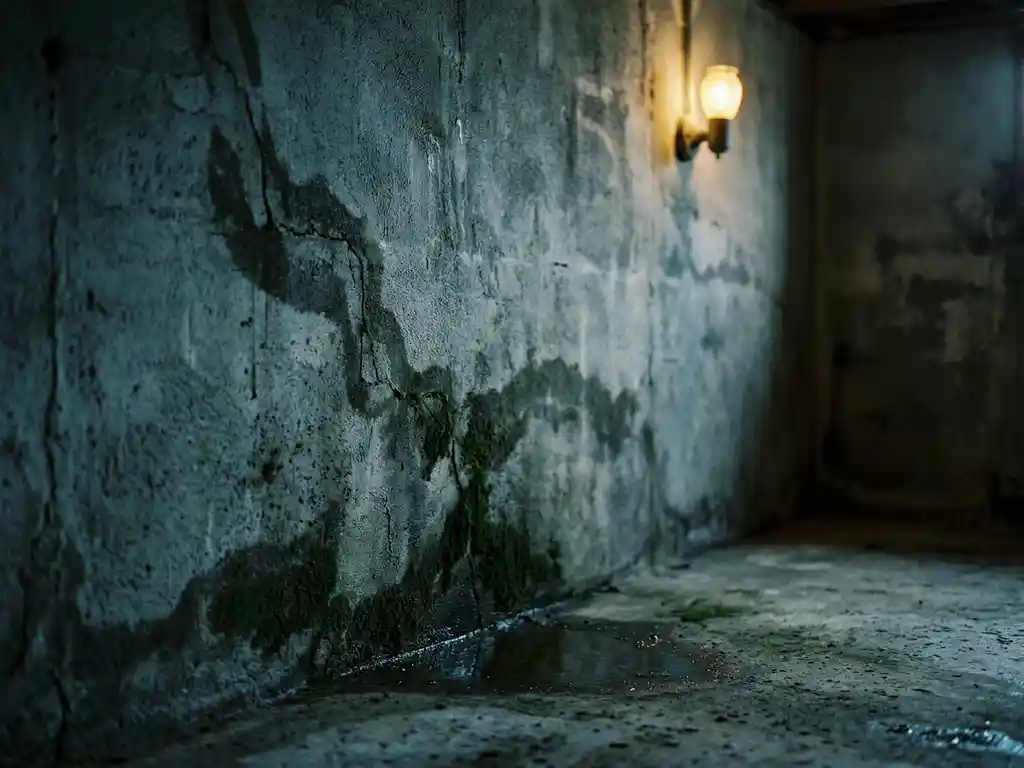
Yes, an earthy or damp smell in the house is quite normal and, in most cases, has a logical explanation. However, it is not something you should simply ignore. The smell may indicate high humidity, poor ventilation, or moisture rising through the crawl space. In this article, we answer the most frequently asked questions about damp air in the home and what you can do about it.
What causes an earthy or damp smell in the house?
An earthy or damp smell in the house is almost always caused by excess moisture in the air or in the building structure. This moisture can originate from the soil beneath your home, from condensation on cold walls, or from poorly ventilated areas such as the bathroom, kitchen, or crawl space. When damp air has nowhere to go, a musty, earthy smell develops.
The most common causes are:
- Bad ventilation in living rooms or bedrooms, causing humid air to linger
- Condensation on cold walls, windows or floors
- Moisture from the soil that enters the home through the crawl space
- Leakage due to damaged roofing, facade, or water pipe
- Organic material such as leaves, wood, or soil under the floor that rots
The odor itself is often a reaction to bacteria and fungi that become active as soon as humidity rises too high. The longer the moisture is present, the stronger the odor generally becomes.
When is a damp smell a sign of mold?
A damp smell is a possible indication of mold growth, but not always. Mold emits a specific musty, sometimes chemical odor that is sharper and more pungent than ordinary damp air. If the smell is persistent and you also see dark spots on walls, ceilings, or behind furniture, mold is a real possibility.
Watch out for the following signs that may indicate mold:
- Black, green, or gray spots on walls or in corners
- A scent that becomes stronger in cloudy or rainy weather
- Discoloration of wallpaper or paint, or paint that comes off
- Health complaints such as a stuffy nose, coughing, or fatigue that worsen indoors
Mold thrives in humidity exceeding 70 percent and temperatures between 10 and 30 degrees. If you recognize these conditions combined with the smell, it is wise to seriously investigate and address the cause.
How does moisture get into the house from the crawl space?
Moisture from the crawl space reaches your home through a process called vapor diffusion. Warm, humid air from outside or from the ground rises and travels up through the wooden floor structure. Because warm air holds more moisture than cold air, this moisture condenses as soon as it comes into contact with the cooler floor of your home. This causes a persistent damp odor and can eventually lead to wood rot or mold.
A poorly ventilated crawl space forms an ideal breeding ground for moisture. The space is in direct contact with the ground, which is naturally damp. Without sufficient air circulation, the moisture has nowhere to go and accumulates. This problem is particularly prevalent in older homes where the crawl space is rarely, if ever, equipped with ventilation openings.
Good one crawl space ventilation It is therefore one of the most effective ways to prevent moisture problems in the home. By allowing air to circulate under the floor, the space dries out and the upward movement of moisture into your home is significantly reduced.
What can you do yourself to combat damp air in your home?
There are several steps you can take yourself to reduce humid air in your home. The most effective approach combines ventilation, insulation, and removing the source of moisture. Always start with the cause rather than just treating the symptoms.
Practical measures you can take yourself:
- Ventilate daily by opening windows briefly but deliberately, preferably on two sides of the house
- Use mechanical ventilation or turn on the extractor fan while cooking and showering
- Check the crawl space on standing water, damaged insulation or clogged ventilation openings
- Install a vapor barrier on the floor of the crawl space to limit moisture absorption from the ground
- Use a dehumidifier in rooms with structurally high humidity
- Check window frames and walls on cracks or crevices where outside air or rainwater can penetrate
Please note that these measures help with minor damp problems. If the odor persists or returns after a while, there is likely a structural cause that requires professional attention.
When is a professional needed for moisture problems?
A professional is needed when moisture problems are structural, have a clear source that you cannot reach or remedy yourself, or when there is already damage to your home's structure. Think of wood rot in the floor joists, mold behind walls, or a crawl space that is chronically damp. In those cases, self-help is insufficient, and delaying action can exacerbate the damage.
Hire a professional if:
- The damp odor persists despite ventilation and other measures
- You discover visible mold spots in multiple places in the house
- The floor or walls feel damp or soft
- You suspect that the crawl space has no or insufficient ventilation openings.
- There is a leak that you cannot locate yourself.
Early intervention prevents greater damage and higher costs. A professional can accurately determine the cause and apply the correct solution, such as installing ventilation openings in the crawl space or restoring the moisture barrier.
How De Betonboorder helps with crawl space ventilation
In many cases, a musty or earthy smell in the house can be directly traced back to a poorly ventilated crawl space. We solve this problem in a professional and tidy manner. Via The Concrete Driller Arrange professional crawl space ventilation for your home quickly and easily.
What we do for you:
- Drilling ventilation openings in the foundation or concrete walls of your crawl space
- Installation of ventilation grille(s) so that air can circulate freely under your floor
- Working in both occupied properties and shell buildings, with minimal inconvenience
- Leaving a tidy workplace, taken care of from start to finish by our professionals
- Switch quicklyIn many cases, we arrange a professional at your home within two days.
Good crawl space ventilation is a sustainable investment that prevents moisture problems, improves your home's insulation value, and effectively reduces or completely eliminates musty odors. Would you like to know what we can do for your situation? Contact us and we respond within 24 hours.
Related Articles
- How do I make my attic accessible as a full-fledged floor?
- Why does my house smell musty after a rain shower?
- Are mold spores under the floor bad for the respiratory system?
- How much does an air conditioner for the bedroom cost to sleep cool?
- Can an air conditioner regulate humidity?
- How much power does an air conditioner consume per hour?
- Can an air conditioner double the electricity bill?
- Can an air conditioner automatically adjust the temperature?
- How does an air conditioning heat pump work?
- What happens if damage occurs during drilling?
- What is the difference between an impact drill and a hammer drill?
- When will temporary stamps be removed?