
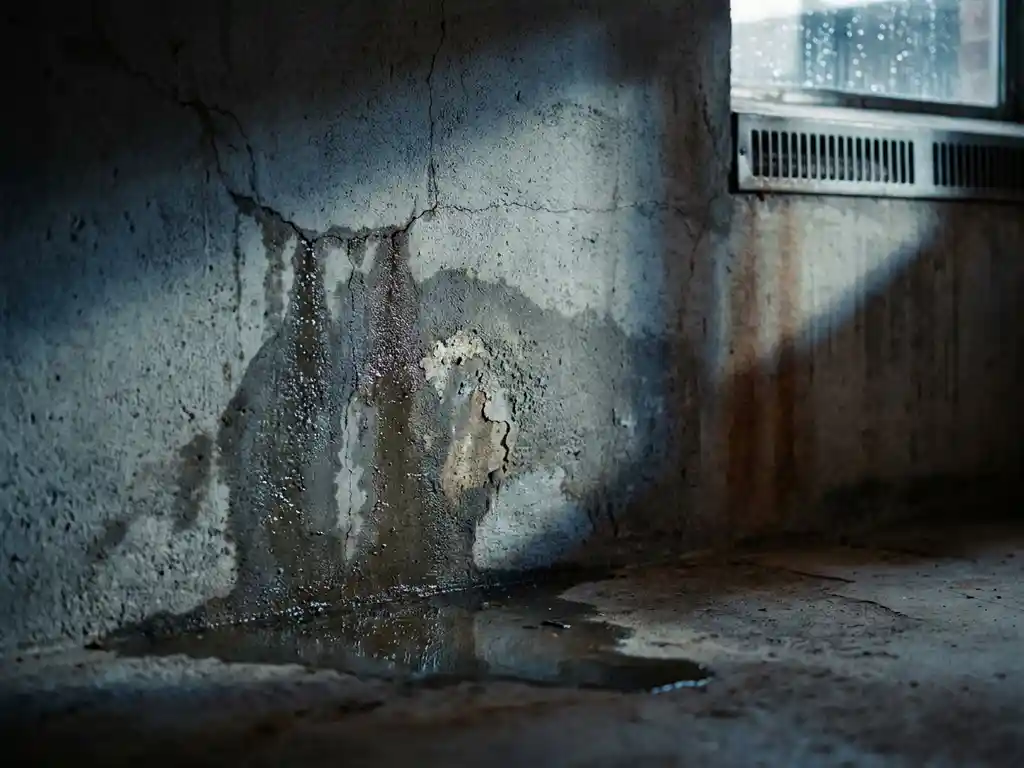
Your house smells musty after a rain shower because moisture is released from the soil, walls, or crawl space and mixes with the air in your home. This happens especially when the ventilation in and under your house is insufficient. In this article, we answer the most frequently asked questions about musty air after rain and what you can do about it.
What causes the musty smell after a rain shower?
The musty smell after a rain shower is caused by bacteria and fungi that become active as soon as moisture is released or dries up. Rainwater penetrates the soil and awakens dormant microorganisms. These produce gases that you perceive as an earthy, musty smell. Indoors, this odor intensifies when moisture seeps in through walls, floors, or the crawl space.
This involves a combination of factors:
- Moist soil: After rain, soil moisture rises, driving odor molecules into the air.
- Mold spores: Traces already present in walls or floors become active under increased humidity.
- Poor air circulation: When humid outside air is not removed quickly enough, the odor accumulates in the home.
- Organic matter: Wood, insulation, and other building materials can retain moisture and then start to smell.
Where exactly is the musty smell coming from in the house?
In most homes, the musty smell after rain originates from the crawl space, damp walls, or poorly ventilated areas such as the bathroom or basement. The crawl space is by far the most common source, as it is in direct contact with the damp soil and is often barely ventilated.
Consider the following places:
- Crawl space: Moist air from under the floor rises and spreads through cracks and seams throughout the rest of the house.
- Exterior walls: Poor insulation or damaged joints allow rainwater to seep in, making walls damp.
- Floor construction: Wooden floors above a damp crawl space absorb moisture and can start to smell.
- Bathroom and kitchen: Rooms with poor ventilation trap humid air, especially after a period of rain.
Good one crawl space ventilation is therefore one of the most effective ways to tackle the source of musty air in your home. When the air under your floor circulates well, moisture has less chance of rising.
Is a musty smell after rain a sign of moisture damage?
A musty smell after rain is not always a sign of serious moisture damage, but it is a signal that you should take seriously. If the smell disappears quickly after thorough ventilation, it is likely a case of temporary moisture buildup. If the smell persists or intensifies, there is a good chance that structural moisture problems are at play.
Pay attention to the following warning signs that indicate moisture damage:
- Discoloration or stains on walls and ceilings
- Peeling paint or wallpaper coming loose
- Visible mold spots, including small ones
- An odor that does not disappear after ventilating
- Wooden floorboards that bulge or creak
- Persistently high indoor humidity
Moisture damage can eventually lead to deterioration of the structural condition of your home and cause health problems, particularly for people with asthma or allergies. A musty smell is therefore an early warning sign that you should not ignore.
How do you remove the musty smell from your house after a rain shower?
You remove musty air after a rain shower most effectively by ventilating, reducing humidity, and addressing the source of the moisture. Airing alone is a temporary solution; structural improvement requires looking at the cause as well.
Practical steps you can take immediately:
- Open windows and doors: Ensure airflow, preferably on two sides of the house.
- Use a dehumidifier: An electric dehumidifier removes excess moisture from the air and quickly lowers the humidity.
- Check the ventilation openings: Ensure that grilles and ventilation holes are not clogged with dirt, leaves, or insulation material.
- Clean suspicious areas: Remove visible mold with a mold cleaner and dry the area thoroughly.
- Check the crawl space: Check if there is standing water or if the ventilation grilles are blocked.
In the long term, improving the ventilation in your home the most sustainable solution. This certainly applies to the crawl space, where damp air can otherwise rise unhindered.
When is professional help needed for damp walls or floors?
Professional help is needed when the musty odor persists despite ventilation, when you discover visible moisture damage or mold, or when you suspect that the crawl space is structurally too damp. In those cases, there is more going on than temporary dampness after rain.
Hire a professional if:
- The smell does not disappear after ventilating for several days
- You see mold return in the same spot after cleaning
- Water is visible in the crawl space or basement
- Show damp patches on walls or floors that are growing
- You cannot identify the source of the moisture
A professional can assess whether ventilation grilles need to be installed, whether the crawl space needs to be remediated, or if there is a structural problem such as a leaking foundation. Early intervention prevents minor moisture problems from escalating into expensive repair jobs.
How De Betonboorder helps with crawl space ventilation
A musty smell after rain is annoying, but in many cases can be easily solved with proper crawl space ventilation. We at De Betonboorder are happy to help you with this. Our professionals install ventilation openings in the foundation of your home so that damp air under your floor is effectively removed.
What we do for you:
- Drilling ventilation holes in concrete foundation walls with minimal disruption
- Installing ventilation grilles for a durable and neat finish
- Working in occupied situations, so you can just stay at home
- Neat delivery, whereby the workplace is left clean and tidy
- Rapid deployment, in many cases within two working days
Good crawl space ventilation reduces humidity under your floor, which directly contributes to a fresher smell in your home and better insulation. Would you like to know what we can do for your situation? Contact us and we respond within 24 hours.
Related Articles
- How is a stairwell finished after sawing?
- Can I continue living in my home while a stairwell is being constructed?
- How do I find the cause of moisture under my floor?
- How big does an air conditioner need to be for my room?
- Can an air conditioner regulate humidity?
- What is the difference between cooling capacity and electrical power in an air conditioner?
- What is the difference between R32 and R410A refrigerant?
- What temperature in the house is unhealthy?
- How do you ensure a hole goes straight into the wall?
- How do you drill a hole in the wall for an extractor hood?
- Can an oversized drill hole weaken a wall?
- How do you drill a hole in a basement wall without leaks?